The South Florida Fight Against Hate Starts Early


Roneet Edrich, Executive Director of InSIGHT Through Education, joins me to talk about the work happening in Broward and Palm Beach County schools to teach kindness, acceptance, respect, and the courage to speak up against hate. A former educator with nearly three decades in South Florida, Roneet shares why this mission is personal for her family and why education has to go beyond grades, college, and careers.
We talked about InSIGHT’s upcoming traveling 38-foot World War II-era cattle car replica, which will bring local Holocaust survivor testimony, original documents, and a hard but necessary conversation about propaganda, misinformation, and hate online to area students. If you live, work, raise kids, or care about Greater Fort Lauderdale, this is one of those conversations that stays with you.
=== Chapters
- 00:17 Meet Roneet Edrich of InSIGHT Through Education
- 01:44 From Special Education Teacher to Nonprofit Leader
- 07:15 How InSIGHT Brings Holocaust Education to South Florida Schools
- 09:19 Inside the Traveling Cattle Car Exhibit
- 11:58 Propaganda, Social Media, AI, and Misinformation
- 13:40 Teaching Students to Recognize and Respond to Hate
- 17:12 Reaching 105,000 Students Across Broward and Palm Beach
- 18:51 Funding the Mission and Expanding the Program
- 23:38 Antisemitism in Florida and Why the Work Matters
- 25:24 Roneet’s Personal Family Connection to the Holocaust
- 27:44 Turning Bystanders Into Upstanders
=== Guest: Roneet Edrich, InSIGHT Through Education, Executive Director
- Website: https://www.insightthrougheducation.org/
- LinkedIn: https://www.linkedin.com/in/roneet-edrich
=== Local Businesses / Organizations / Nonprofits
- Junior Achievement of South Florida: https://jasouthflorida.org/
- Jewish Federation of South Palm Beach County: https://jewishboca.org/
- Anti-Defamation League: https://www.adl.org/
- Broward County Public Schools: https://www.browardschools.com/
- School District of Palm Beach County: https://www.palmbeachschools.org/
- Monroe County School District: https://www.keysschools.com/
=== Events / Attractions / Venues
- The Wharf Fort Lauderdale: https://wharfftl.com/
- Broward Center for the Performing Arts: https://www.browardcenter.org/
- Museum of Discovery and Science: https://mods.org/
- Sunday Jazz Brunch: https://www.parks.fortlauderdale.gov/special-events/special-events/jazz-brunch
=== Resources / Books / Podcasts / Apps
- Night, Elie Wiesel: https://amzn.to/4zMusTk
=== MUSIC LICENSE CERTIFICATE
- Title: Happy Epic And Confident Corporate Background Piece To Suit Health Or Dynamic
- Item ID: 195889930
- Publisher: Saowakhon Brown
- Composer: Saowakhon Brown
- License: Individual License, Commercial
- Stock Media provided by TheSaoLady / Pond5
[0:11] Hello, friends, and welcome to Let's Talk Lauderdale, the podcast where we talk to the people. We talk about places and organizations that help shape the life here in Lauderdale and across South Florida.
[0:25] I'm your host, Uncle Marv, and every episode is about getting beyond the headlines, hearing the real stories behind the work the people doing it and the impact it has on our community. And today I'm joined by [0:11] Hello, friends, and welcome to Let's Talk Lauderdale, the podcast where we talk to the people. We talk about places and organizations that help shape the life here in Lauderdale and across South Florida.
[0:25] I'm your host, Uncle Marv, and every episode is about getting beyond the headlines, hearing the real stories behind the work the people doing it and the impact it has on our community. And today I'm joined by Roneet Edrich, Executive Director of InSIGHT Through Education. InSIGHT is a nonprofit working with students and educators to use the lessons of the Holocaust and genocides worldwide to promote kindness, acceptance, respect, and the courage to stand up to anti-Semitism, hatred, and bigotry. Roneet, welcome to the show. Thank you, Marvin. I'm so glad to be here today. Well, thank you for coming. And you've actually been doing a lot of stuff down here in South Florida. So you started out as a teacher. Yes. So I've been in South Florida for about 28 years. And I came down from New Jersey, where I was a special education teacher. And so I followed that passion down here and worked in that capacity for a number of years before moving to the nonprofit sector. And I love both worlds. And I have to say that I am so blessed because I have the opportunity to combine both passions now.
[1:44] Working as the executive director of a nonprofit that is focused in education allows me to still have my hands in education. Right. When I came to Fort Lauderdale, I worked for a nonprofit, Junior Achievement. So obviously a little different because Junior Achievement had to work to get into the schools. It didn't start out as a school program. So it was a hard journey to get into the schools. Now everybody loves to do it because, you know, it's a free period for teachers, in a sense. They're always looking for curriculum and stuff. But education in the schools one of the things that i saw when i was doing a little bit of research is that schools.
[2:32] You know we talk about everybody wants to educate our kids just to get smart get into college get a good career, you've actually talked about schools being education for a lot of things outside of that where we need to teach people how to just live in society So when did that start for you? So a lot of what we do, we look at students from the earliest learners, from K all the way up to 12, and we say, Okay. We need to look at people and really highlight the traits of kindness, acceptance, and respect. Because I don't think that we could take a look at people as adults and say, gosh, how is there so much hatred out there? If you don't take a look back and say, well, what did we do to highlight those important traits about making people be upstanders and being kind and accepting to each other from the early days? So you can't be surprised by the result if you don't invest in students from an early age on. And those are all traits that I think when we take a step back, say, that's what makes a good person, right?
[3:44] When we find ways to educate them and make them better people, more accepting and more understanding and more compassionate, it does lead to a much brighter future for everyone. So how did I get involved in that, you asked? Well, I'm asking.
[4:04] Those are important things for me. And I think that, you know, when I take a look at my own children, I have three children in their 20s now. That, to me, is the most important thing, that they be good, kind humans that are independent and respectful of the world around them, right? What shapes the world around them? And so I think that that's something that I would like to take, you know, from my personal life and make sure that my professional life mirrors that of my personal life. There are important traits and the traits that I was raised with and that I raised my children with and I hope to be able to impart on our education system. All right. So you say your children are in their 20s now. You've been here 29 years. So I was just about to ask what was the difference in coming from Jersey to Florida, but your kids grew up here. So was there a little difference in Florida life as opposed to Jersey life? A huge difference. When we made the decision to move down here, it was more out of...
[5:11] Being fed up from the winter and the commute into Manhattan was killing both my husband and I. And we said that this is just, there has to be a better way of life. And so when we came down here, it wasn't quite as congested as it is today. We know that we've seen such an influx of people moving down here. So that in and of itself was a completely different lifestyle. So as a teacher in New Jersey versus in Florida, it was definitely different. But in all fairness, I was teaching high school in New Jersey, and when I came down here, I was teaching elementary school. So there's going to be a complete difference in that to begin with. But there was definitely, our goal was a better way of life. We loved being outside and being able to, you know, in the middle of the winter, be able to go for a walk. So that was one of the impetuses to moving down here. All right. Do you still have family back up in Jersey? I still have some family, although I am very, very fortunate that my immediate family all lives down here. My kids, not as much. They come and they go. Did they leave? So my oldest is actually in Fort Lauderdale, which is exciting. My middle child is in Michigan for the year. He's in medical school. It's pretty cold there. I'm not going to visit him in the winter.
[6:36] And my youngest is a Knoll. She's at Florida State. Oh. Yes. Interesting. Yes. This has nothing to do with the show, but I just saw a poll that FSU was ranked as the number one party school this year. I did happen to notice that as a parent. That doesn't make me so happy. Yeah. But I will say that I went to University of Wisconsin, which, when I was in school, was also ranked number one party school. Oh, okay. So she's going to claim that she learned it from you. She's going to claim that, without a doubt. But it still is a great school. It's an amazing, amazing opportunity. And she would like to be an attorney. So she's thrilled.
[7:15] All right. Well, let's transition back to InSIGHT. And let's first give people kind of a little bit of history about InSIGHT and geography because it's not necessarily in Fort Lauderdale, but it is South Florida. So we want to talk about it. So let's start. If people go find your site right now, they're going to see a big 15.
[7:40] Which is going to become 16 very shortly. Um, so we are 16 years old and InSIGHT is a really special and unique organization. It was founded by a group of volunteers that were so passionate and dedicated to, um, bringing the lessons learned from the Holocaust and, and promoting kindness, acceptance, and respect. Um.
[8:06] So they were so dedicated, and they provided funding and programming to Palm Beach County Schools, and that's where the story began. And what makes InSIGHT so unique is we really are the only organization, and we are a nonprofit, non-sectarian organization, that provides, meaningful programming to the school districts at no charge. So we work with Palm Beach and Broward County schools, really across, we are across Broward County, and we don't have any physical office. So we're all over the place. My team lives anywhere from Port St. Lucie all the way down. At the moment, I'm the furthest south into Broward. So we really do traverse both school districts. And who we are as an organization, we really bring these meaningful, engaging programming. So like, for instance, in kindergarten, we have kindergarten and first grade, we have an incredible puppet show that talks about togetherness and acceptance and how the crayons all have to come together so that they can, you know, work together and create this beautiful picture. Because, again, starts really early on.
[9:19] And we've got programs that really go through every grade level. And our signature program, which we are thrilled to launch in September, the end of September, we're launching a cattle car exhibit. It's a replica, a World War II replica cattle car. And inside features testimony of two local Palm Beach County survivors who share a message of empathy and kindness. And they talk about how they were saved by strangers.
[9:52] Who really they had nothing in common with. They didn't know, but they saved them. They saved their lives. And so they talk about the importance of standing up, becoming an upstander to hatred, and how each of us has the ability to help other people. Okay.
[10:10] Can we take a step back and explain more of what the cattle car exhibit visually looks like? Because I think a lot of people that don't know history are going to be like, well, that's a cattle car. It's just going to be a bunch of railroad things or something like that. So this is a 38-foot cattle car that, it's a replica, so I do want to lead with that. But during World War II, the cattle cars were used to transport people, anywhere between 80 and 100 people. They were intended to transport to transport cattle.
[10:45] And so it's just a wooden vehicle on the inside and the outside with sometimes no windows, sometimes very little window, and a sliding barn door. So it represents the way people were transported from camp, from ghettos to concentration camps, or from concentration camp to concentration camp. And oftentimes the conditions were so horrific that people didn't survive them. So our intent in this exhibit is not for it to be simulated at all, because we don't believe in that, but what we believe in is teaching them the lessons that were learned. Right. At least to see this was history and just imagine the conditions. And I'm assuming that most people don't understand the crowding and all of that stuff. Correct. Correct. Now, is this going to be a traveling exhibit? It is. It is a traveling exhibit that will go from school to school. It will go across Palm Beach County. And then in January, it's going to make its way across Broward County to the high schools.
[11:58] We will target just the high schools. Plus, it will be in lots of different community gatherings and community centers. It'll be in churches and some synagogues. But the idea is for it to be out in the community. And we have two incredible educators that will be working with this cattle car exhibit. Of course, I will definitely be there from time to time. And the other part of this exhibit will focus on propaganda, propaganda then and now, right? Because there is so much, what it looked like in Germany in the 1930s and what propaganda looks like now. We often say there is so much hatred online, right? And our teens spend entirely too much time online. And most sometimes we don't even know what they're looking at. And there's just... So much hatred and violence out there. And so we want them to recognize it and to acknowledge that not everything that they see online is truth. So, yeah, when you talk social media, that's probably the biggest thing.
[13:02] And now with AI, who knows, you know, what was created for what purpose and stuff. So I imagine that a lot of what is happening now in year 16 of doing this as opposed to year one is you're battling a lot more of misinformation. Information and people that are just creating stuff out of thin air. Correct. Um, so how does, let me, let me ask this question because we're kind of separating an idea of education that if we educate every, everybody, things will be better.
[13:40] While we know that that's not a hundred percent true, there are people that are still learning stuff from home, learning stuff from their communities and are still, you know, bullying and stuff like that. So does any of your education cover, you know, telling a student what to do if that happens to them and how to, you mentioned how to identify it. Some of them probably don't know some of the things that are being done to them. So it's about giving them the tools, right? Giving them the tools to recognize what it looks like. So just to drill down on one of your points, and then I'm going to come back to it. So as part of the exhibit is part of the film that they'll see inside. There's a 27-foot LED screen inside of this cattle car, so it'll just be a really, big visual for them of a film, right? And so there's original documents in there. So one of the things that we try very hard to do is to combat denial and distortion, which you referenced before, right? We want to make sure, you know, this is not AI. You know, we want to teach them to recognize primary sources, right? This was a primary source. AI didn't touch this.
[14:49] And so that is a huge battle, right? That I am going to... Acknowledge and name that's something that we all have, we all have to confront on every level. So in terms of giving them the tools, you know, we want them to walk away with questions, and we want them to walk away thinking about what we said, right? And so it is a very good point of, okay, well, now what? What do we do? You know, we want them to know that there are trusted people that they can contact, and then a list of resources in case they encounter. We also know one of the filmmakers that we worked with on this film, he said that he has a team that works with Meta regularly to identify. They could be busy all day long on recognizing hate of all kinds online. That's how prevalent it is. Well, let me step back. I'm sorry, because now I'm thinking you talked about, you know, us educating the kids. Now, I imagine the educators that you partner with, as well as, I'm assuming you have an army of volunteers that help.
[15:59] What's it like training the adults to make sure that they get history correct? So that, of course, is also an ongoing battle. I'm actually going to be training two of our educators for this exhibit beginning next week. But they are Holocaust educators and are familiar with the content.
[16:20] That isn't as difficult. But as part of the experience in the schools, the teachers do go through this exhibit with them. So they're traveling together with their students. And they often come away so moved. And they, you know, we like to watch their reactions when they come out of the exhibit, because we know that they were impacted by it. It's something we feel that everybody should be educated, right? And you brought up a point before that education, right, is so imperative. It's not going to fix everything. But if we don't educate people about what hate can do and what hate looks like, we won't be able to advance this initiative, right? We won't be able to eradicate it. If you can't recognize it, how can you stop it? Absolutely.
[17:12] Let me get into, I guess some of the, I guess the demographics now. So what is your current reach in terms of classrooms, students, schools? Perfect. So you're going to test my numbers. So last year in the 25, 26 school year, we reached 105,000 students. And that's K through 12 between Palm Beach and Broward counties. That is a huge accomplishment. And we've grown tenfold since we started. You know, every year the reach goes up. This year, we believe that we'll have the ability to reach in excess of 125,000.
[17:54] Through this cattle car exhibit alone, we think we'll be able to reach 50,000 students this school year. So it's a huge reach. And the numbers for us are important because it allows us to know that this, many people, this many students have been impacted and they've now become a witness, right? And they've listened to these words and they've been given the tools to stand up to hatred. So it's an important number. And when you think about the multiplier effect, um, yeah. I write a lot of grants, so I often think about this. When you think about the multiplier effect, one student goes home and has a conversation with their parents, perhaps their siblings. Now four people have been impacted, not just one. Right. Very nice.
[18:39] So help me understand, like I said, I did work with a nonprofit, and money is always a fun topic when it comes up. Fun is a reach.
[18:51] So how do you fund all of this, especially now that you're expanding and doing more stuff? I mean, the cattle car exhibit, did you have to do a special request for money, a donation drive? How does all of this work? So as you said before, right, every nonprofit is always looking to somehow put together $2 and make five because we all stretch as far as we can.
[19:18] With all of our money going towards programming. And it's why we have no overhead in terms of physical space, so that we can allocate those dollars to the programs. So we write a lot of grants across both counties. Also, we apply for money from the state for appropriation. And, of course, our own fundraising initiatives. And we had a capital campaign for the cattle car, which I'm thrilled to say we're halfway there. So we do a lot of individual fundraising, many, many grants, and we're so grateful to our donors and our supporters. And, of course, we're always looking to grow that donor base and our supporters. So many people believe in our mission. It's about making better people, right, more educated, people that can be kinder and more accepting of everyone. Imagine what a world would look like without hate. Yeah, that would be nice. It would be nice. We have some work to do the listeners the listeners don't know but I m African American and so i understand a little bit um when it comes to that just the, just the look that people can give without even knowing you is interesting and stuff.
[20:37] Now we talked about your past impact do you said you hope to reach over a hundred thousand uh what is the reach into the school systems? Like, are you in every school or are there certain schools that you can't get into? So I have to say that I have to give a huge shout out to Broward County Schools and Palm Beach County Schools because they have, we work very closely with district leadership. And so we're there to support them, right? And they, we work together. It's about partnership and we're there to really help provide this meaningful programming. So I wouldn't say we're shut out of any schools. I will say that we're very blessed to have some good partners down here in Florida.
[21:27] People often say, how did you do it? How did you work together with the schools? You know, it's not that way everywhere else in the country, but here in South Florida, we have an amazing public school system in both counties. We're even going to be doing some work in Monroe County. I spoke to the superintendent a couple of weeks ago and the cattle car is going to make its way down there as well. Nice. Yes. And so we are blessed to have an embracing... School district that cares deeply about their students, who wants to see a space where hate is no more. Right.
[22:01] You mentioned expanding into Monroe. I was just thinking in my head, are there other programs like this across the country?
[22:09] Have you guys been able to partner with anybody else, get ideas from anybody else, or is this unique? We are unique. We are definitely unique in that we're one of the only organizations that we're aware of. There's a lot of organizations out there that are doing incredible work, really incredible work, in an effort to combat hatred of all kinds. But we're one of the only ones that, you know, provides funding and programming K through 12. Do we have plans to go other places in the country? You know, we always have this pipe dream of it. At the moment, we have more need than we can fulfill.
[22:47] There is a lot of work to be done, as we said before, a lot of work to be done out there. So at some point, will we expand beyond these counties? I don't know. Probably. At some point, we will. For somebody listening who's like, ooh, can I help? I mean, is this something where they can just go to the website and ask to volunteer, do donations straight from the website. Yes. So you can absolutely visit our website. We are inSIGHTthrougheducation.org. And there's opportunities. There's some opportunities to volunteer. There's always opportunities to get involved. And of course, we welcome all donations. There is a Donate Now button on there. We're careful about, obviously, the volunteers that are able to go into schools. That's always cleared through the school, not necessarily, you know, the school system.
[23:38] That's beyond our control. But we do work closely with a team of volunteers to prepare certain materials to get them ready. So there's opportunity for sure. So I'm looking at a stat that I can't. I'm thinking, should I even ask about this? But it's on your website. Go ahead. And we didn't prepare. So if you want to defer, you can. But I just saw underneath where it talks about your why, that Florida ranks as the seventh worst state in the U.S. In terms of anti-Semitic incidents. That's true. That is. That is according to, I think it says the year, right? Is that the year? Every year the ranking changes a little bit, but we were. This one, 2024. That's what I thought. The sources, the ADL, the Audit of Antisemitic Incidents, 9,000 across the U.S. And that's probably only what's documented and reported. Correct. And that is an important, that's important to bring up because not all incidents are documented or reported. You know, I think we have to be realistic when you have a larger Jewish community, you're going to see more anti-Semitic incidents. And Florida has a large Jewish community. And so that's one of the reasons why. But I will say there is zero tolerance, right? There is zero tolerance in the schools.
[25:05] And so I do believe that the incidents are handled, but it doesn't mean that they don't exist. And it's a very real situation. We hear about antisemitic incidents all across the community every day.
[25:24] So what made you switch from just doing education in a regular school system to wanting to branch out because, you didn't actually just start at inside you were actually doing stuff uh with local temples you were a resource educator and then you were the director of march of the living um, what made you want to switch so um, my grandparents were from Poland and Vienna. And so the Holocaust is something that's deeply personal for my family. My parents were born during the war. And I remember sitting around at holiday meals saying, Why do my friends have these full homes full of lots of family members? And we don't. And so, you know, my father would often say, it's going to take several generations, to bring back, you know, to be able to increase our family. And so that kind of stuck with me for many, many years. We were deeply impacted by the Holocaust on both sides. I will say my husband's family is the same. So as a first-generation American, you know, I did teach in public school for many years, but this is my passion.
[26:43] I've been very blessed to travel to Poland with all three of my kids individually. And I have to say, walking out of the gates of Auschwitz together with them, it's one of the proudest moments I've ever had to say that we are still here. And, so it's deeply personal for me, and I'm committed to making sure that something like this doesn't happen again, right? People need to know that hatred is there, and we need to end it. It's our moral responsibility to make this generation better than the last. One of the things that I've learned over the years is that one of the worst ways to allow things to happen is for people to not speak up. Correct. And education obviously is key but teaching people what to notice and then what to do about it and how to speak up against it is something that needs to be done.
[27:44] I think I saw a phrase that you talked about turning people from bystanders to upstanders. So I do want to touch on one of the things that you said before. To quote Elie Wiesel, who's the author of Night, the opposite of hate. I'm sorry, the opposite of love is not hate. It's indifference, right? And so when we're indifferent... That's the worst. It means that we're not standing up for anything. So when we talk about creating upstanders, it's about people recognizing and finding ways to help other people. So one of the things we're doing this year on InSIGHT is we're doing an empathy in action contest. It's not even on our website because we haven't launched it yet. It's going to be on our website probably in a couple weeks. We're doing an empathy in action contest. It'll be in Broward. and we're looking for people to nominate students in high school who are doing incredible things, extraordinary things, stepping up for other people.
[28:47] You know, it could be somebody who chooses to go and sit with somebody during lunch who never has anyone to sit with. But it's those students that really are displaying incredible moral character, and we want to highlight that, right? We want to find the good and highlight that instead of always identifying the bad, right? So it's a combination of two approaches of catching people. So we're reaching out to youth programs, churches. Of course, we go through the schools, but we want to be able to cast a wide net to say, hey, have you seen a high school student really doing extraordinary things? And then they'll nominate them and then they'll apply. The student will then apply, and there'll be a nice monetary award for three students because we want to elevate the good in the community. All right. So that'll be showing up on the website at some point. So inSIGHTforeducation.org, folks.
[29:51] Go there and look for it. InSIGHT Through Education. Sorry.
[29:55] Oh, I'm sorry. InSIGHT Through Education. I'm sorry because I'm looking on here and I see it says student contest. That's a different one. That's a different one. Okay. It's a social media contest, which we're also really thrilled about. And our social media contest is very, it's similar in the theme in terms of we are charging students with the task of creating videos using a lesson learned from the Holocaust about kindness. So it is looking at people that stood up that risked their lives, creating Instagram videos, TikTok, and being able to, you know, we last year we had an incredible turnout on it. And this year we hope it will go even further. And so they'll be able to share their videos online also in the hopes of being able to spread the good and not necessarily the bad. We've all seen so many videos out there that just condemn and bash groups of people, individuals, and that is not at all what we're looking to do. We're looking to highlight the good in this world. Well, especially when you're talking about social media where people can hide behind the keyboard and they feel no repercussions or consequences. They have a license to say what they want. Yeah.
[31:13] All right, let me do one quick switch here because one of the things we like to try to do on the show is talk about things that are happening in and around our area, not just work-related, but, you know, what do people do for fun? What do you do to kind of take a step back? Your kids are gone, but, you know, there's got to be stuff you still like to do down here.
[31:37] Where do you hang? Where do I hang? Well since one of my one of my adult daughters lives in fort Lauderdale we do like to spend quite a bit of time in fort Lauderdale um going out with her we love the beach, um my husband is an avid cyclist so he loves to be out and about you can find him on the weekends driving about you know riding about in in parkland is he in full gear with, uh he does go in full gear um Yeah, as long as he's got the helmet, we're good. And we like to spend time with friends, family. My sister lives around the corner from me, so we're really lucky that we get to spend a lot of time together. But we do like to, you know, to go out and about and... And we're in Fort Lauderdale often, so. So Fort Lauderdale has changed a lot. Yes, it has. A lot of big buildings going up. Yes. So have you been to any of the new places like the wharf or anything? My kids like to frequent the wharf. They do like to frequent the wharf. Yes, it has. Fort Lauderdale has changed so much since I remember coming down here as a child. And then when we first moved down, now it's a much younger community, and it's really nice to see people out and about. It's also got the business side of things.
[33:01] So the wharf is not really my scene per se, but my kids really do like it. It's kind of funny because, you know, between the wharf and 2nd Street, and then you get the Broward Center and the Museum of Science and Discovery. It's very interesting to see the mix of people. Well, I love it. It's definitely good people watching. And I love to see when you have like multi-generations and people coming together in one area. So it's definitely, it has a completely different vibe than it did years ago. Yeah. We used to live in Sailboat Bend. Oh, wow. Just blocks from downtown. So we'd walk over to the Sunday Jazz Brunch. Oh, that's so nice. And so can't do that now where we're at. But it is nice to go down there, although I just drove down there. I've got a client right off of Sunrise by Holiday Park. And I just, it, it, I'm not going to say it freaks me out, but, you know, Sears town has been gone for a while and it's just empty and I'm trying to wait, okay, what's going to pop up? And we've seen, you know, the articles talking about the three towers and stuff. And it's like, that is going to change that area so much. Yes, it will. Yes, it will. There's just so much building going on. And I will say it's one of the things that we like when we made the decision to move to Parkland a few years ago.
[34:28] It's quieter there, although it's not quiet anymore. I was going to say, Parkland's getting a little rowdy out there. It's not so quiet. So were you not in Parkland before? We were in Coral Springs. Coral Springs. Okay. For 20 years, and then we moved to Parkland. The kids were in the same schools. And you thought you'd get bougie and go to Parkland. We didn't really think we were going to get bougie. We thought it would be quiet. When we moved there, you know, there was still so much open land. There was never any conversation about construction on Loxahatchee Road or, you know, Hillsborough. So we really thought it would be quiet. It's not quiet. Are they doing like a business district along there or is it all residential communities? It's all residential. It's still all residential. Interesting. Yeah, it is.
[35:17] And for, at the time I was working in Boca, so it was very helpful to move up there because I was only 10 minutes away. So it's not quiet, but we do, you know, when I'm home, I will say because I work so much, I think it's probably a common theme for anyone that is in the nonprofit world. You know, you always say that you work too much. Yeah. I like being home, just being home. Yeah, well, I work in tech now. And you like being home. Working too much is not a thing when it comes to tech. Everyone has a tech emergency. Yes, yes. The server goes down on a Sunday. Nobody cares. Nobody cares what you're doing if you're having a family brunch, you know. Yep. All right, Roneet. Is there anything else that you may want to mention about InSIGHT that I didn't ask about or for people to know? It's an incredible organization, and we work with really wonderful volunteers, wonderful community partners, and I encourage you to check it out on our website, inSIGHTthrougheducation.org.
[36:26] And you can find my contact there if anyone ever has any questions or like to figure out how they can get involved more. I encourage you to give us a call. Check us out. All right. Well, Renit, thank you for joining, and thank you for coming in studio for this. Thank you. Appreciate that. And thank you for sharing how InSIGHT Through Education is helping, I guess now, all of South Florida learn the lessons of history and turn them into empathy, as you talked about. So for those of you listening, thank you very much for tuning in. You can visit the InSIGHT Through Education website to learn more about the programs, some of the upcoming opportunities.
[37:05] Check out Roneet on LinkedIn. We'll have all of that in the show notes. Share this episode, folks, with educators, parents, people that like to donate to nonprofits, local organizations who care about creating safer, more compassionate communities. That's my ask of you. Follow Let's Talk Lauderdale and share this episode with somebody who needs it. And if you know a person, organization, or business with a story that helps define Fort Lauderdale in South Florida, reach out and let me know and we'll get them on the air. Thank you for listening and until next time, stay connected, stay curious, and let's keep talking Lauderdale.
Edrich, Executive Director of InSIGHT Through Education. InSIGHT is a nonprofit working with students and educators to use the lessons of the Holocaust and genocides worldwide to promote kindness, acceptance, respect, and the courage to stand up to anti-Semitism, hatred, and bigotry. Roneet, welcome to the show. Thank you, Marvin. I'm so glad to be here today. Well, thank you for coming. And you've actually been doing a lot of stuff down here in South Florida. So you started out as a teacher. Yes. So I've been in South Florida for about 28 years. And I came down from New Jersey, where I was a special education teacher. And so I followed that passion down here and worked in that capacity for a number of years before moving to the nonprofit sector. And I love both worlds. And I have to say that I am so blessed because I have the opportunity to combine both passions now.
[1:44] Working as the executive director of a nonprofit that is focused in education allows me to still have my hands in education. Right. When I came to Fort Lauderdale, I worked for a nonprofit, Junior Achievement. So obviously a little different because Junior Achievement had to work to get into the schools. It didn't start out as a school program. So it was a hard journey to get into the schools. Now everybody loves to do it because, you know, it's a free period for teachers, in a sense. They're always looking for curriculum and stuff. But education in the schools one of the things that i saw when i was doing a little bit of research is that schools.
[2:32] You know we talk about everybody wants to educate our kids just to get smart get into college get a good career, you've actually talked about schools being education for a lot of things outside of that where we need to teach people how to just live in society So when did that start for you? So a lot of what we do, we look at students from the earliest learners, from K all the way up to 12, and we say, Okay. We need to look at people and really highlight the traits of kindness, acceptance, and respect. Because I don't think that we could take a look at people as adults and say, gosh, how is there so much hatred out there? If you don't take a look back and say, well, what did we do to highlight those important traits about making people be upstanders and being kind and accepting to each other from the early days? So you can't be surprised by the result if you don't invest in students from an early age on. And those are all traits that I think when we take a step back, say, that's what makes a good person, right?
[3:44] When we find ways to educate them and make them better people, more accepting and more understanding and more compassionate, it does lead to a much brighter future for everyone. So how did I get involved in that, you asked? Well, I'm asking.
[4:04] Those are important things for me. And I think that, you know, when I take a look at my own children, I have three children in their 20s now. That, to me, is the most important thing, that they be good, kind humans that are independent and respectful of the world around them, right? What shapes the world around them? And so I think that that's something that I would like to take, you know, from my personal life and make sure that my professional life mirrors that of my personal life. There are important traits and the traits that I was raised with and that I raised my children with and I hope to be able to impart on our education system. All right. So you say your children are in their 20s now. You've been here 29 years. So I was just about to ask what was the difference in coming from Jersey to Florida, but your kids grew up here. So was there a little difference in Florida life as opposed to Jersey life? A huge difference. When we made the decision to move down here, it was more out of...
[5:11] Being fed up from the winter and the commute into Manhattan was killing both my husband and I. And we said that this is just, there has to be a better way of life. And so when we came down here, it wasn't quite as congested as it is today. We know that we've seen such an influx of people moving down here. So that in and of itself was a completely different lifestyle. So as a teacher in New Jersey versus in Florida, it was definitely different. But in all fairness, I was teaching high school in New Jersey, and when I came down here, I was teaching elementary school. So there's going to be a complete difference in that to begin with. But there was definitely, our goal was a better way of life. We loved being outside and being able to, you know, in the middle of the winter, be able to go for a walk. So that was one of the impetuses to moving down here. All right. Do you still have family back up in Jersey? I still have some family, although I am very, very fortunate that my immediate family all lives down here. My kids, not as much. They come and they go. Did they leave? So my oldest is actually in Fort Lauderdale, which is exciting. My middle child is in Michigan for the year. He's in medical school. It's pretty cold there. I'm not going to visit him in the winter.
[6:36] And my youngest is a Knoll. She's at Florida State. Oh. Yes. Interesting. Yes. This has nothing to do with the show, but I just saw a poll that FSU was ranked as the number one party school this year. I did happen to notice that as a parent. That doesn't make me so happy. Yeah. But I will say that I went to University of Wisconsin, which, when I was in school, was also ranked number one party school. Oh, okay. So she's going to claim that she learned it from you. She's going to claim that, without a doubt. But it still is a great school. It's an amazing, amazing opportunity. And she would like to be an attorney. So she's thrilled.
[7:15] All right. Well, let's transition back to InSIGHT. And let's first give people kind of a little bit of history about InSIGHT and geography because it's not necessarily in Fort Lauderdale, but it is South Florida. So we want to talk about it. So let's start. If people go find your site right now, they're going to see a big 15.
[7:40] Which is going to become 16 very shortly. Um, so we are 16 years old and InSIGHT is a really special and unique organization. It was founded by a group of volunteers that were so passionate and dedicated to, um, bringing the lessons learned from the Holocaust and, and promoting kindness, acceptance, and respect. Um.
[8:06] So they were so dedicated, and they provided funding and programming to Palm Beach County Schools, and that's where the story began. And what makes InSIGHT so unique is we really are the only organization, and we are a nonprofit, non-sectarian organization, that provides, meaningful programming to the school districts at no charge. So we work with Palm Beach and Broward County schools, really across, we are across Broward County, and we don't have any physical office. So we're all over the place. My team lives anywhere from Port St. Lucie all the way down. At the moment, I'm the furthest south into Broward. So we really do traverse both school districts. And who we are as an organization, we really bring these meaningful, engaging programming. So like, for instance, in kindergarten, we have kindergarten and first grade, we have an incredible puppet show that talks about togetherness and acceptance and how the crayons all have to come together so that they can, you know, work together and create this beautiful picture. Because, again, starts really early on.
[9:19] And we've got programs that really go through every grade level. And our signature program, which we are thrilled to launch in September, the end of September, we're launching a cattle car exhibit. It's a replica, a World War II replica cattle car. And inside features testimony of two local Palm Beach County survivors who share a message of empathy and kindness. And they talk about how they were saved by strangers.
[9:52] Who really they had nothing in common with. They didn't know, but they saved them. They saved their lives. And so they talk about the importance of standing up, becoming an upstander to hatred, and how each of us has the ability to help other people. Okay.
[10:10] Can we take a step back and explain more of what the cattle car exhibit visually looks like? Because I think a lot of people that don't know history are going to be like, well, that's a cattle car. It's just going to be a bunch of railroad things or something like that. So this is a 38-foot cattle car that, it's a replica, so I do want to lead with that. But during World War II, the cattle cars were used to transport people, anywhere between 80 and 100 people. They were intended to transport to transport cattle.
[10:45] And so it's just a wooden vehicle on the inside and the outside with sometimes no windows, sometimes very little window, and a sliding barn door. So it represents the way people were transported from camp, from ghettos to concentration camps, or from concentration camp to concentration camp. And oftentimes the conditions were so horrific that people didn't survive them. So our intent in this exhibit is not for it to be simulated at all, because we don't believe in that, but what we believe in is teaching them the lessons that were learned. Right. At least to see this was history and just imagine the conditions. And I'm assuming that most people don't understand the crowding and all of that stuff. Correct. Correct. Now, is this going to be a traveling exhibit? It is. It is a traveling exhibit that will go from school to school. It will go across Palm Beach County. And then in January, it's going to make its way across Broward County to the high schools.
[11:58] We will target just the high schools. Plus, it will be in lots of different community gatherings and community centers. It'll be in churches and some synagogues. But the idea is for it to be out in the community. And we have two incredible educators that will be working with this cattle car exhibit. Of course, I will definitely be there from time to time. And the other part of this exhibit will focus on propaganda, propaganda then and now, right? Because there is so much, what it looked like in Germany in the 1930s and what propaganda looks like now. We often say there is so much hatred online, right? And our teens spend entirely too much time online. And most sometimes we don't even know what they're looking at. And there's just... So much hatred and violence out there. And so we want them to recognize it and to acknowledge that not everything that they see online is truth. So, yeah, when you talk social media, that's probably the biggest thing.
[13:02] And now with AI, who knows, you know, what was created for what purpose and stuff. So I imagine that a lot of what is happening now in year 16 of doing this as opposed to year one is you're battling a lot more of misinformation. Information and people that are just creating stuff out of thin air. Correct. Um, so how does, let me, let me ask this question because we're kind of separating an idea of education that if we educate every, everybody, things will be better.
[13:40] While we know that that's not a hundred percent true, there are people that are still learning stuff from home, learning stuff from their communities and are still, you know, bullying and stuff like that. So does any of your education cover, you know, telling a student what to do if that happens to them and how to, you mentioned how to identify it. Some of them probably don't know some of the things that are being done to them. So it's about giving them the tools, right? Giving them the tools to recognize what it looks like. So just to drill down on one of your points, and then I'm going to come back to it. So as part of the exhibit is part of the film that they'll see inside. There's a 27-foot LED screen inside of this cattle car, so it'll just be a really, big visual for them of a film, right? And so there's original documents in there. So one of the things that we try very hard to do is to combat denial and distortion, which you referenced before, right? We want to make sure, you know, this is not AI. You know, we want to teach them to recognize primary sources, right? This was a primary source. AI didn't touch this.
[14:49] And so that is a huge battle, right? That I am going to... Acknowledge and name that's something that we all have, we all have to confront on every level. So in terms of giving them the tools, you know, we want them to walk away with questions, and we want them to walk away thinking about what we said, right? And so it is a very good point of, okay, well, now what? What do we do? You know, we want them to know that there are trusted people that they can contact, and then a list of resources in case they encounter. We also know one of the filmmakers that we worked with on this film, he said that he has a team that works with Meta regularly to identify. They could be busy all day long on recognizing hate of all kinds online. That's how prevalent it is. Well, let me step back. I'm sorry, because now I'm thinking you talked about, you know, us educating the kids. Now, I imagine the educators that you partner with, as well as, I'm assuming you have an army of volunteers that help.
[15:59] What's it like training the adults to make sure that they get history correct? So that, of course, is also an ongoing battle. I'm actually going to be training two of our educators for this exhibit beginning next week. But they are Holocaust educators and are familiar with the content.
[16:20] That isn't as difficult. But as part of the experience in the schools, the teachers do go through this exhibit with them. So they're traveling together with their students. And they often come away so moved. And they, you know, we like to watch their reactions when they come out of the exhibit, because we know that they were impacted by it. It's something we feel that everybody should be educated, right? And you brought up a point before that education, right, is so imperative. It's not going to fix everything. But if we don't educate people about what hate can do and what hate looks like, we won't be able to advance this initiative, right? We won't be able to eradicate it. If you can't recognize it, how can you stop it? Absolutely.
[17:12] Let me get into, I guess some of the, I guess the demographics now. So what is your current reach in terms of classrooms, students, schools? Perfect. So you're going to test my numbers. So last year in the 25, 26 school year, we reached 105,000 students. And that's K through 12 between Palm Beach and Broward counties. That is a huge accomplishment. And we've grown tenfold since we started. You know, every year the reach goes up. This year, we believe that we'll have the ability to reach in excess of 125,000.
[17:54] Through this cattle car exhibit alone, we think we'll be able to reach 50,000 students this school year. So it's a huge reach. And the numbers for us are important because it allows us to know that this, many people, this many students have been impacted and they've now become a witness, right? And they've listened to these words and they've been given the tools to stand up to hatred. So it's an important number. And when you think about the multiplier effect, um, yeah. I write a lot of grants, so I often think about this. When you think about the multiplier effect, one student goes home and has a conversation with their parents, perhaps their siblings. Now four people have been impacted, not just one. Right. Very nice.
[18:39] So help me understand, like I said, I did work with a nonprofit, and money is always a fun topic when it comes up. Fun is a reach.
[18:51] So how do you fund all of this, especially now that you're expanding and doing more stuff? I mean, the cattle car exhibit, did you have to do a special request for money, a donation drive? How does all of this work? So as you said before, right, every nonprofit is always looking to somehow put together $2 and make five because we all stretch as far as we can.
[19:18] With all of our money going towards programming. And it's why we have no overhead in terms of physical space, so that we can allocate those dollars to the programs. So we write a lot of grants across both counties. Also, we apply for money from the state for appropriation. And, of course, our own fundraising initiatives. And we had a capital campaign for the cattle car, which I'm thrilled to say we're halfway there. So we do a lot of individual fundraising, many, many grants, and we're so grateful to our donors and our supporters. And, of course, we're always looking to grow that donor base and our supporters. So many people believe in our mission. It's about making better people, right, more educated, people that can be kinder and more accepting of everyone. Imagine what a world would look like without hate. Yeah, that would be nice. It would be nice. We have some work to do the listeners the listeners don't know but I m African American and so i understand a little bit um when it comes to that just the, just the look that people can give without even knowing you is interesting and stuff.
[20:37] Now we talked about your past impact do you said you hope to reach over a hundred thousand uh what is the reach into the school systems? Like, are you in every school or are there certain schools that you can't get into? So I have to say that I have to give a huge shout out to Broward County Schools and Palm Beach County Schools because they have, we work very closely with district leadership. And so we're there to support them, right? And they, we work together. It's about partnership and we're there to really help provide this meaningful programming. So I wouldn't say we're shut out of any schools. I will say that we're very blessed to have some good partners down here in Florida.
[21:27] People often say, how did you do it? How did you work together with the schools? You know, it's not that way everywhere else in the country, but here in South Florida, we have an amazing public school system in both counties. We're even going to be doing some work in Monroe County. I spoke to the superintendent a couple of weeks ago and the cattle car is going to make its way down there as well. Nice. Yes. And so we are blessed to have an embracing... School district that cares deeply about their students, who wants to see a space where hate is no more. Right.
[22:01] You mentioned expanding into Monroe. I was just thinking in my head, are there other programs like this across the country?
[22:09] Have you guys been able to partner with anybody else, get ideas from anybody else, or is this unique? We are unique. We are definitely unique in that we're one of the only organizations that we're aware of. There's a lot of organizations out there that are doing incredible work, really incredible work, in an effort to combat hatred of all kinds. But we're one of the only ones that, you know, provides funding and programming K through 12. Do we have plans to go other places in the country? You know, we always have this pipe dream of it. At the moment, we have more need than we can fulfill.
[22:47] There is a lot of work to be done, as we said before, a lot of work to be done out there. So at some point, will we expand beyond these counties? I don't know. Probably. At some point, we will. For somebody listening who's like, ooh, can I help? I mean, is this something where they can just go to the website and ask to volunteer, do donations straight from the website. Yes. So you can absolutely visit our website. We are inSIGHTthrougheducation.org. And there's opportunities. There's some opportunities to volunteer. There's always opportunities to get involved. And of course, we welcome all donations. There is a Donate Now button on there. We're careful about, obviously, the volunteers that are able to go into schools. That's always cleared through the school, not necessarily, you know, the school system.
[23:38] That's beyond our control. But we do work closely with a team of volunteers to prepare certain materials to get them ready. So there's opportunity for sure. So I'm looking at a stat that I can't. I'm thinking, should I even ask about this? But it's on your website. Go ahead. And we didn't prepare. So if you want to defer, you can. But I just saw underneath where it talks about your why, that Florida ranks as the seventh worst state in the U.S. In terms of anti-Semitic incidents. That's true. That is. That is according to, I think it says the year, right? Is that the year? Every year the ranking changes a little bit, but we were. This one, 2024. That's what I thought. The sources, the ADL, the Audit of Antisemitic Incidents, 9,000 across the U.S. And that's probably only what's documented and reported. Correct. And that is an important, that's important to bring up because not all incidents are documented or reported. You know, I think we have to be realistic when you have a larger Jewish community, you're going to see more anti-Semitic incidents. And Florida has a large Jewish community. And so that's one of the reasons why. But I will say there is zero tolerance, right? There is zero tolerance in the schools.
[25:05] And so I do believe that the incidents are handled, but it doesn't mean that they don't exist. And it's a very real situation. We hear about antisemitic incidents all across the community every day.
[25:24] So what made you switch from just doing education in a regular school system to wanting to branch out because, you didn't actually just start at inside you were actually doing stuff uh with local temples you were a resource educator and then you were the director of march of the living um, what made you want to switch so um, my grandparents were from Poland and Vienna. And so the Holocaust is something that's deeply personal for my family. My parents were born during the war. And I remember sitting around at holiday meals saying, why do my friends have these full homes full of lots of family members? And we don't. And so, you know, my father would often say, it's going to take several generations, to bring back, you know, to be able to increase our family. And so that kind of stuck with me for many, many years. We were deeply impacted by the Holocaust on both sides. I will say my husband's family is the same. So as a first-generation American, you know, I did teach in public school for many years, but this is my passion.
[26:43] I've been very blessed to travel to Poland with all three of my kids individually. And I have to say, walking out of the gates of Auschwitz together with them, it's one of the proudest moments I've ever had to say that we are still here. And, so it's deeply personal for me, and I'm committed to making sure that something like this doesn't happen again, right? People need to know that hatred is there, and we need to end it. It's our moral responsibility to make this generation better than the last. One of the things that I've learned over the years is that one of the worst ways to allow things to happen is for people to not speak up. Correct. And education obviously is key but teaching people what to notice and then what to do about it and how to speak up against it is something that needs to be done.
[27:44] I think I saw a phrase that you talked about turning people from bystanders to upstanders. So I do want to touch on one of the things that you said before. To quote Elie Wiesel, who's the author of Night, the opposite of hate. I'm sorry, the opposite of love is not hate. It's indifference, right? And so when we're indifferent... That's the worst. It means that we're not standing up for anything. So when we talk about creating upstanders, it's about people recognizing and finding ways to help other people. So one of the things we're doing this year on InSIGHT is we're doing an empathy in action contest. It's not even on our website because we haven't launched it yet. It's going to be on our website probably in a couple weeks. We're doing an empathy in action contest. It'll be in Broward. and we're looking for people to nominate students in high school who are doing incredible things, extraordinary things, stepping up for other people.
[28:47] You know, it could be somebody who chooses to go and sit with somebody during lunch who never has anyone to sit with. But it's those students that really are displaying incredible moral character, and we want to highlight that, right? We want to find the good and highlight that instead of always identifying the bad, right? So it's a combination of two approaches of catching people. So we're reaching out to youth programs, churches. Of course, we go through the schools, but we want to be able to cast a wide net to say, hey, have you seen a high school student really doing extraordinary things? And then they'll nominate them and then they'll apply. The student will then apply, and there'll be a nice monetary award for three students because we want to elevate the good in the community. All right. So that'll be showing up on the website at some point. So inSIGHTforeducation.org, folks.
[29:51] Go there and look for it. InSIGHT Through Education. Sorry.
[29:55] Oh, I'm sorry. InSIGHT Through Education. I'm sorry because I'm looking on here and I see it says student contest. That's a different one. That's a different one. Okay. It's a social media contest, which we're also really thrilled about. And our social media contest is very, it's similar in the theme in terms of we are charging students with the task of creating videos using a lesson learned from the Holocaust about kindness. So it is looking at people that stood up that risked their lives, creating Instagram videos, TikTok, and being able to, you know, we last year we had an incredible turnout on it. And this year we hope it will go even further. And so they'll be able to share their videos online also in the hopes of being able to spread the good and not necessarily the bad. We've all seen so many videos out there that just condemn and bash groups of people, individuals, and that is not at all what we're looking to do. We're looking to highlight the good in this world. Well, especially when you're talking about social media where people can hide behind the keyboard and they feel no repercussions or consequences. They have a license to say what they want. Yeah.
[31:13] All right, let me do one quick switch here because one of the things we like to try to do on the show is talk about things that are happening in and around our area, not just work-related, but, you know, what do people do for fun? What do you do to kind of take a step back? Your kids are gone, but, you know, there's got to be stuff you still like to do down here.
[31:37] Where do you hang? Where do I hang? Well since one of my one of my adult daughters lives in fort Lauderdale we do like to spend quite a bit of time in fort Lauderdale um going out with her we love the beach, um my husband is an avid cyclist so he loves to be out and about you can find him on the weekends driving about you know riding about in in parkland is he in full gear with, uh he does go in full gear um Yeah, as long as he's got the helmet, we're good. And we like to spend time with friends, family. My sister lives around the corner from me, so we're really lucky that we get to spend a lot of time together. But we do like to, you know, to go out and about and... And we're in Fort Lauderdale often, so. So Fort Lauderdale has changed a lot. Yes, it has. A lot of big buildings going up. Yes. So have you been to any of the new places like the wharf or anything? My kids like to frequent the wharf. They do like to frequent the wharf. Yes, it has. Fort Lauderdale has changed so much since I remember coming down here as a child. And then when we first moved down, now it's a much younger community, and it's really nice to see people out and about. It's also got the business side of things.
[33:01] So the wharf is not really my scene per se, but my kids really do like it. It's kind of funny because, you know, between the wharf and 2nd Street, and then you get the Broward Center and the Museum of Science and Discovery. It's very interesting to see the mix of people. Well, I love it. It's definitely good people watching. And I love to see when you have like multi-generations and people coming together in one area. So it's definitely, it has a completely different vibe than it did years ago. Yeah. We used to live in Sailboat Bend. Oh, wow. Just blocks from downtown. So we'd walk over to the Sunday Jazz Brunch. Oh, that's so nice. And so can't do that now where we're at. But it is nice to go down there, although I just drove down there. I've got a client right off of Sunrise by Holiday Park. And I just, it, it, I'm not going to say it freaks me out, but, you know, Sears town has been gone for a while and it's just empty and I'm trying to wait, okay, what's going to pop up? And we've seen, you know, the articles talking about the three towers and stuff. And it's like, that is going to change that area so much. Yes, it will. Yes, it will. There's just so much building going on. And I will say it's one of the things that we like when we made the decision to move to Parkland a few years ago.
[34:28] It's quieter there, although it's not quiet anymore. I was going to say, Parkland's getting a little rowdy out there. It's not so quiet. So were you not in Parkland before? We were in Coral Springs. Coral Springs. Okay. For 20 years, and then we moved to Parkland. The kids were in the same schools. And you thought you'd get bougie and go to Parkland. We didn't really think we were going to get bougie. We thought it would be quiet. When we moved there, you know, there was still so much open land. There was never any conversation about construction on Loxahatchee Road or, you know, Hillsborough. So we really thought it would be quiet. It's not quiet. Are they doing like a business district along there or is it all residential communities? It's all residential. It's still all residential. Interesting. Yeah, it is.
[35:17] And for, at the time I was working in Boca, so it was very helpful to move up there because I was only 10 minutes away. So it's not quiet, but we do, you know, when I'm home, I will say because I work so much, I think it's probably a common theme for anyone that is in the nonprofit world. You know, you always say that you work too much. Yeah. I like being home, just being home. Yeah, well, I work in tech now. And you like being home. Working too much is not a thing when it comes to tech. Everyone has a tech emergency. Yes, yes. The server goes down on a Sunday. Nobody cares. Nobody cares what you're doing if you're having a family brunch, you know. Yep. All right, Roneet. Is there anything else that you may want to mention about InSIGHT that I didn't ask about or for people to know? It's an incredible organization, and we work with really wonderful volunteers, wonderful community partners, and I encourage you to check it out on our website, inSIGHTthrougheducation.org.
[36:26] And you can find my contact there if anyone ever has any questions or like to figure out how they can get involved more. I encourage you to give us a call. Check us out. All right. Well, Renit, thank you for joining, and thank you for coming in studio for this. Thank you. Appreciate that. And thank you for sharing how InSIGHT Through Education is helping, I guess now, all of South Florida learn the lessons of history and turn them into empathy, as you talked about. So for those of you listening, thank you very much for tuning in. You can visit the InSIGHT Through Education website to learn more about the programs, some of the upcoming opportunities.
[37:05] Check out Roneet on LinkedIn. We'll have all of that in the show notes. Share this episode, folks, with educators, parents, people that like to donate to nonprofits, local organizations who care about creating safer, more compassionate communities. That's my ask of you. Follow Let's Talk Lauderdale and share this episode with somebody who needs it. And if you know a person, organization, or business with a story that helps define Fort Lauderdale in South Florida, reach out and let me know and we'll get them on the air. Thank you for listening and until next time, stay connected, stay curious, and let's keep talking Lauderdale.
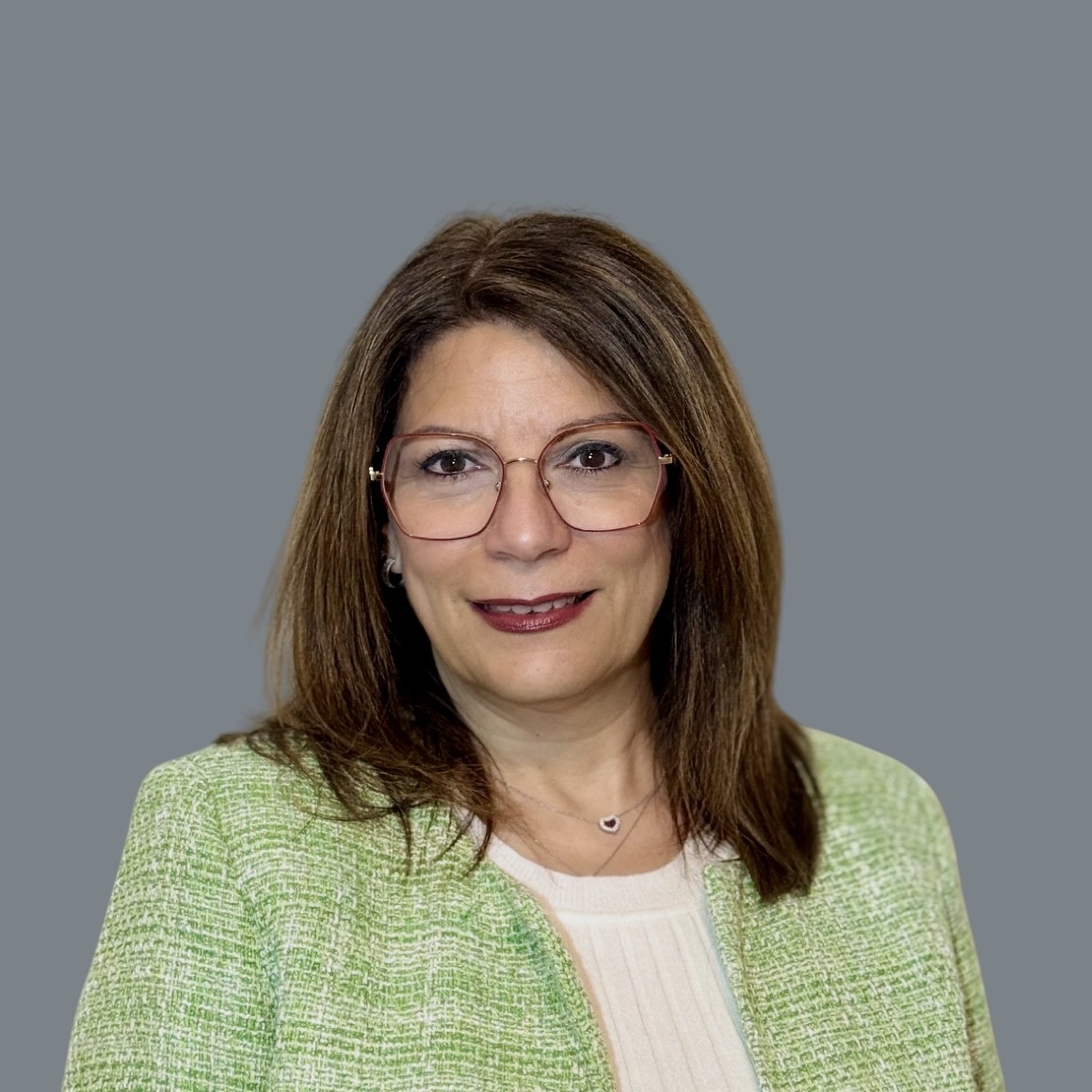
Executive Director - inSIGHT Through Education
Roneet Edrich is a seasoned nonprofit leader with more than 20 years of experience in education, program development, and Jewish communal service. Roneet brings a deep passion for mission-driven work and a proven track record of strategic leadership.
Most recently, she served as Associate Vice President of Planning & Holocaust Education at the Jewish Federation of South Palm Beach County, where she oversaw local community grants, guided strategic partnerships, and led global initiatives to enhance Holocaust education. Previously, she directed the March of the Living Southern Region where she delivered transformative educational travel experiences for teens and adults.
Roneet began her career in education, serving as a principal, educator, and program director, with a focus on experiential learning, leadership development, and inclusive education. She holds a B.S. in Special Education from the University of Wisconsin–Madison and has completed advanced training at Yad Vashem.
She lives in Parkland, Florida with her husband, their three children, and two dogs. With a deep commitment to the mission, Roneet is honored to bring her skills, energy, and vision to inSIGHT Through Education during this exciting period of development and expanded impact.