Artful Minds: Mental Health and the Arts in Broward

Mental health is part of everyday life here in Broward, but we don’t always talk about it out loud. In this episode of Let’s Talk Lauderdale, I’m joined by NAMI Broward development manager Melanie Hoffman and artist, trainer, and former UCLA and NFL wide receiver Brian Poli‑Dixon to dig into Artful Minds, a one‑night event at Mad Arts in Dania Beach that uses art, music, fashion, and performance to support free mental health programs for our neighbors.


Melanie lays out the vision for the fifth annual Artful Minds and how it has grown beyond a traditional gallery show. Every ticket, sponsorship, and piece of art sold sends funds back into NAMI Broward’s free programs for individuals and families here in Broward County.
Brian shares how he always saw himself as an artist first, even while playing at UCLA and in the NFL. He also gives us a peek into the Lux Neon space: a 4,500‑square‑foot front gallery and event venue, plus a big workshop in the back where they design and build custom LED art, signs, and installations for homes, businesses, and events across South Florida.
=== Chapters
- 00:27 Why mental health in Broward County matters
- 01:19 Introducing NAMI Broward and Artful Minds
- 06:03 Introducing guest artist and former NFL player Brian Poli‑Dixon
- 11:27 What Artful Minds is and how the event works
- 13:36 Art auction, artists, and how the funds support free programs
- 16:17 Live music, fashion, culinary arts, and performances at Artful Minds
- 21:16 Art, athletes, and mental health after sports
- 27:24 Mental health in the workplace and NAMI’s Stigma‑Free Workplace program
- 29:43 Local sponsors stepping up to support mental health
- 35:04 NAMIWalks at Nova Southeastern University and how to get involved
- 36:40 Inside Lux Neon Art Gallery and Brian’s “genius” artwork
- 39:03 Final thoughts on community, creativity, and mental health in Broward County
Guest: Melanie Hoffman, NAMI Broward County
- Website: https://namibroward.org
- LinkedIn URL: https://www.linkedin.com/in/melaniehoffman/
Guest: Brian Poli‑Dixon, Lux Neon Art Gallery
- Website: https://brianpolidixonartwork.com/h-o-m-e
- Website: https://luxneonartgallery.com
People, Places and Events Mentioned
- Mad Arts (MAD Arts, Dania Beach): https://madarts.org
- Carl Schmid (violinist): www.youtube.com/@carlviolinist
- Better Strangers (band): https://www.youtube.com/c/BetterStrangers
- Seminole Hard Rock Hotel & Casino Hollywood: https://www.seminolehardrockhollywood.com
- Memorial Healthcare System: https://www.mhs.net
- Rotary Club of Weston: https://www.westonrotary.com
- Greater Fort Lauderdale Alliance: https://www.gflalliance.org
- NAMIWalks Broward: https://www.namiwalks.org/home
=== MUSIC LICENSE CERTIFICATE
- Title: Happy Epic And Confident Corporate Background Piece To Suit Health Or Dynamic
- Item ID: 195889930
- Publisher: Saowakhon Brown
- Composer: Saowakhon Brown
- License: Individual License, Commercial
- Stock Media provided by TheSaoLady / Pond5
Website: https://www.letstalklauderdale.com/
Let’s Talk Lauderdale is hosted by Marvin Bee & Jen Stewart.
Subscribe for more behind-the-scenes Lauderdale stories and pass this episode along—because every Fort Lauderdale memory deserves an audience.
Marvin Bee:
[0:11] Hello everyone and welcome back to Let's Talk Lauderdale, the show where we
Marvin Bee:
[0:16] get past the palm trees and postcard views and talk about what life in Broward is really like. The good, the hard, and the stuff we don't always say out loud.
Marvin Bee:
[0:27] And today we are diving into something that touches a lot of the families here in our community, mental health. It's not just a buzzword, not a hashtag, but real stories, real pressure, and real people trying to hold it all together here in South Florida. And we're going to talk about how our community is fighting back with creativity, movement, and connection. And I'm talking about an event that's coming up. It'll be here soon, May 9th. It's called Artful Minds, hosted by NAMI Broward. It brings together artists, performers, and neighbors under one roof at Mad Arts, It's a night of powerful visuals, live experiences, and conversations that do more than entertain. They help fund free mental health programs for people right here in Broward County.
Marvin Bee:
[1:19] So I've got a couple of people joining me here. Melanie Hoffman is the development manager at NAMI Broward. She's the one connecting the artists, the sponsors, and the community. And I've also got Brian Poli-Dixon, a former UCLA and NFL wide receiver who now trains folks right here in the Fort Lauderdale area. Guys, welcome to the show.
Melanie Hoffman:
[1:41] Thank you.
Marvin Bee:
[1:42] All right. Did I do the intro justice there for you?
Melanie Hoffman:
[1:47] Absolutely. You were reading my mind.
Brian Poli-Dixon:
[1:50] Worked for me. Worked for me. Okay.
Marvin Bee:
[1:53] So, Melanie, let's start with you, and let's dive a little bit more into what NAMI Broward is. We're going to get to the event, but I want to make sure that everybody understands exactly what NAMI is.
Melanie Hoffman:
[2:05] Sure. And thank you, Marvin, for having us on your podcast. and we're very honored to be here and talk about a very important cause in Broward.
Melanie Hoffman:
[2:15] And NAMI, just to back up a little bit, so NAMI, N-A-M-I, stands for the National Alliance on Mental Illness. It's the nation's largest grassroots mental health organization, and it was founded in 1979. Actually, I love telling this story. It was around a kitchen table where family members were sitting, talking to each other and friends about their loved ones who were struggling with mental illness. And they thought, we could do something. We can do something to help them. So that's how the concept of peer-to-peer really came to be and was created. And that's how NAMI was created. Peers helping others, loved ones helping others. And five years after that, in 1984, NAMI Brabant County was founded and became an official affiliate of the national organization. Currently, there are over 650 affiliates throughout the country, all with the same mission, to eradicate the stigma of mental health and improve the quality of life for those struggling with mental illness. So here in Broward, we offer, as you said, Marvin, free mental health programs with all peer-led support groups, education classes, mentorship, presentations. And we also have a helpline for individuals who are struggling with mental illness and their families right here in Broward County. So when someone reaches out, we make sure that they never have to navigate mental health challenges alone.
Marvin Bee:
[3:38] So I'll be honest, I have been in Fort Lauderdale for many years, I want to say at least 30 plus, maybe 40 years. And I'll be honest, I've worked with nonprofits and been involved in the community. However, one of the reasons I started the show is because a lot has changed. There's a lot of things going on that I don't know about. I'll be honest, I apologize. I've not heard of NAMI before.
Melanie Hoffman:
[4:05] Yeah, we have a lot of work to do. But thank you for sharing that. And it's, we do. Broward is the second largest county in Florida behind Miami-Dade. So it is very large, but it's small in comparison to the country, of course. But that is where the affiliates do come into play, where we focus on the four corners of our county and reach out. and we all have different demographics. Broward, as we know, is very diverse. So we really, really try to reach out to as many people. And through podcasts like this, thanks to you, we can hopefully spread the word even more.
Marvin Bee:
[4:43] Yeah, I was going to ask if a lot of the you know, reach out that you get as people just simply going to your website? Or do you work with a lot of the other organizations, hospitals, and things in the area? And when people are identified or recognize that they have some issues, is that how they get referred to you?
Melanie Hoffman:
[5:04] Yes. So we are all part of the larger behavioral health community. And there are hospitals and therapists and agencies, certainly, that help those with various mental health conditions. And our accessible concept is a complement to that community. So if someone is at more a medical environment, they might hear about us through a visit there and use us and our resources is in coordination with the therapy, the treatment that they're getting. So it's not always the first place that people go, but hopefully we are part of the resource list and part of the references that people do give to us. And we refer again for our helpline for sure. And just in being out in the community, we definitely refer to all of the resources out there. So we're all in this together and trying to help in any way we can.
Marvin Bee:
[6:03] All right. And Brian, of course, I introduced you of football fame and people probably know you as that for the most part. But what brings you in connection with Nami Broward?
Brian Poli-Dixon:
[6:16] Well, Melody walked into the gallery one day. I don't remember how she got it. I think maybe in the past, when she wasn't working with an organization, the gallery over had done something with her in the past. I think she was following up on that.
Brian Poli-Dixon:
[6:29] And then we had an opportunity to meet, and we kind of hit off from the jump. And then she came into the studio and kind of talked to her about my work and the things that it represents and the things that she was talking about. And there was some good synergy there. So kind of threw it out there if I wanted to be a part of that and look into that. So once you kind of gave me some more information, it seemed like a great fit. And I like to align myself with causes that I believe in. So that's how I ended up over here.
Marvin Bee:
[6:53] All right. So you said gallery. So a lot of listeners are not going to be able to picture it. So I'm looking at you. You're in what looks to be your art studio, correct?
Brian Poli-Dixon:
[7:03] Yeah. So I'm the resident artist inside of Lux Neon Art Gallery. Okay. We're right here in Dania. So I have my own studio inside this big, amazing space that we have. And I'm the head curator over here, too. So I create most of the artwork, or at least I am involved with the artists that want to be involved with the gallery and some kind of like the, the, um, the face of the front of the gallery. And I handle the artists and then, you know, we do a lot of events here and different things like that. And then, like I said, I'm a resident artist here too. So got my hands on a lot of different things over here.
Marvin Bee:
[7:34] Okay. So I'll ask the question that some people would normally ask or be afraid to ask, but I'll ask it. How does a football player start to be in charge of an art gallery? Thank you.
Brian Poli-Dixon:
[7:46] Well, the big question I always get, or the main question I always get is how does somebody go from being an athlete to an artist? But I always come back and say I was always an artist. I was an artist before I became a football player. I only played like a couple of years of football in high school before I went on and pursued that collegially and professionally. But, you know, I think that this is something that is just in the line of what I like to do. So I like to curate events. I like to deal with artists. I also try to like to be a person who can understand the business side of art and also to the creative side of it to kind of be a liaison between the both. So my buddy of mine owns this space over here. I was moving out of my old building looking for something new. And then I, you know, I set up shop over here. And then as, you know, time went on, you know, because he's kind of more back of the house guy. I'm in more of a front of the house kind of guy. So it kind of became a natural transition. I've always wanted to be a person that could be a champion for other artists, too. And I feel like there's this I feel like you get a lot more by giving than by taking so I've always been a person who likes to give and, kind of see where that goes so I'm actually in a real good situation now I've been able to curate not only my homework but also help other artists to, take their work to the next level or add LED and add something different to their art as well Okay.
Marvin Bee:
[9:06] Great You were a little modest there Yeah, a couple of years in high school, a few years in the NFL after UCLA. So, you know, I played a little. That's all, that's all I can say.
Brian Poli-Dixon:
[9:22] You being modest then too. No, so I mean, sports has always been a part of my life though, you know, and, and the thing about it now is like, I've always kind of had like a little bit of imposter syndrome in the sense of like my career post college, because it didn't really go the way I wanted it to, you know? So I bounced around the league for about five years. I was on three different teams. Um, you know, I had, you know, a lot of potential and I think that's why I was able to survive for so long, but, uh, it didn't really go the way I wanted it to. So I kind of don't really, I've never been the kind of person anyway that goes out there and like wild rocks himself or being like an athlete or a football player. I mean, I naturally get a lot of attention anyway, because I'm six, five, you know, I look athletic and stuff like that. So that naturally comes with it. But as far as I, like, you know, patting myself on the back or beating myself up the chest over it, I don't do that. But I do, I do that with art. So I'm always constantly, when I walk around, I walk around as an artist. So that's my, that's my love. The other things, you know, it's a little more circumstantial and there's some things are out of your control, but like, you know, what you have in front of you on a canvas or what you can create with your own hands, you know, it has a lot to do with, you know, your own within your own power. Right.
Marvin Bee:
[10:26] Well, I wanted to also say that a lot of athletes, you know, struggle with life after the game. And, you know, regardless of how short of time they were in or how long they were in, sometimes it's an adjustment. And the fact that you had art before made it a little easier for you, at least the way I understand your story. And you're able to use that to help others.
Brian Poli-Dixon:
[10:50] Of course. I mean, it is one of those things. So it's not like it's something that I found. It's something that's always been there. So now it just lets me have an opportunity to do something that, you know, I enjoy and I love that I don't have to worry about, you know, you know, getting cracked over the middle or, you know, tearing a knee or something like that. So it's definitely an experience.
Marvin Bee:
[11:10] Yeah. All right, Melanie, let's go back to the event here. I want to make sure we spend enough time on that. But Artful Minds, I kind of said what it was, but can you give us a full picture of what it is and why we're doing it?
Melanie Hoffman:
[11:27] Yes, of course. So Artful Minds, this is the fifth annual event. And as Brian said, I walked into Lux Neon Art Gallery and actually they had participated last year. I walked in last year and just was enthralled by the art and I was looking for a new direction really to showcase the art that local artists do throughout
Melanie Hoffman:
[11:54] Broward County and walked in there. And the owner, Nicolas Gonzalez, an artist, donated a piece last year. So this year when I walked in, it was to ask him to participate again, kindly, and that's when I met Brian. So Brian, though, really, he inspired a lot of what came out of the event because he did, as he said, he was trying to understand what the event was. And just like art, sometimes you can't really describe it. I really wanted to just say, oh, just come and you'll see, you'll experience it, you'll get it. But to his point, it really made me kind of flesh things out and really try to describe them in a way that he would want to participate and people would want to come and experience what words to me could not express.
Melanie Hoffman:
[12:45] So it's the arts in general. So in the past, As I said, this is the fifth year. So for the first three years, it was really a showcase of artwork and 2D, 3D art that you'd see in a gallery and see sculptures on pedestals. And it went very well. But last year, we tried to elevate it a little bit more and bring in a few more components. This year, we're really trying for the fifth year, milestone year, we're really trying to bring in more aspects of the arts because it isn't just about visual arts, which is a huge component of the arts, but there's also music and theater and fashion and culinary. If you really think about it, the arts are a very broad concept. So that's really what the picture was trying to paint for him. And in doing so, I kind of created an experience of kind of the run of the show.
Melanie Hoffman:
[13:36] For event planners out there, what would the guest see as soon as they walk through the door? And then how would the night play out? So basically, they'd walk through the door and they would see a beautifully curated art gallery with all of the artists' pieces, all different shapes and sizes, professionally installed on the walls at Mad Arts. They're wonderful. Shout out to Mad Arts. They are an in-kind donor for us, and they do provide their venue and their professional expertise to help curate this event. So we're really, really grateful to them. So the artists will all be there. All artists have donated their pieces. If they donate several pieces, we wanted to create a kind of arrangement where the artist would be able to benefit as well. So the first piece that they donate would be 100% donation, and the purchase would go directly to NAMI Broward. After that, it would be an 80-20 split. So we really hope that.
Marvin Bee:
[14:34] Now, when you say they donate their pieces, is that for the silent auction, or can people do outright purchases at the event?
Melanie Hoffman:
[14:42] Good question. So the auction is actually an online art auction. We're using the beauty of digital and IT. You mentioned that you do IT as well. So we do have an online auction. So you don't really need to be there present at the event to see the artwork and place a bid on the art. But of course, being there gives you the opportunity to meet the artist and talk about their story and their inspiration and really understand the beauty and the background of the piece. But that being said, we did have last year was the first year that we did do the art auction. It was extremely successful. And we did have some people who were not there and found a beauty in artwork nonetheless and bid and actually won the artwork. So a great way to fundraise and also kind of help with other people and their appreciation for the arts as well so that art auction will be open uh hopefully within the week and it will run for the next month so it will be a lead-in to the actual event and then of course the actual pieces will be there that are featured online so as the artist or the sorry the guests go through they can uh go on their phones and place bids for the artwork great
Marvin Bee:
[15:59] Great so uh so that's a lot to cram into three hours so you're talking about being able to peruse the art that's there and then to enjoy food and music and conversation uh how does that look i mean that's it's a lot happening
Melanie Hoffman:
[16:17] Yes, there is. So as they're coming in, there will also be live violin music by Carl Schmid, who's an incredible violinist who is also open about his journey. He had experience with substance abuse, and he talks about how music supported his recovery. And through his years, he's performed with Aerosmith, Metallica, and Yo-Yo Ma. And here he is, he's local, and he's providing his music, and it's beautiful. And just wonderful for people, too. It helps him, and it helps others, so it's mutually beneficial. And we will also have a benefit concert to close out the evening, the local band Better Strangers, and they're a trio, instrumental, progressive instrumental trio.
Melanie Hoffman:
[17:03] Their drummer, actually, is Nick Collins. He's the head of the band, and he is carrying forward the musical legacy of his father, Phil Collins, and he started playing music when he was much younger and he's here and has a great band called Better Strangers and they're donating and their music will be providing a benefit concert. So that's the musical components of it. And then you had mentioned the food and even just through culinary arts, we have a chef who's coming and we don't even realize sometimes what goes into plating a meal, plating food on a plate and that is arts and we also have two local fashion designers and they have started their own purpose-driven apparel companies and both of them are local here in south Florida and we'll highlight their apparel through a fashion show and also the apparel will be on the auction as well for people too nice
Marvin Bee:
[17:59] Very nice very nice
Melanie Hoffman:
[18:02] Yes all right
Marvin Bee:
[18:03] Brian how many uh how many uh I forget the term. It just escaped me. How many commissions did they get you to donate for this?
Brian Poli-Dixon:
[18:13] Well, so to keep you on your vocab, commission is like if someone is asking you to make something specifically for them. So that wasn't the case here. So because of the brand alignment or the synergy between the charity and the event and what I do, it was kind of very easy to me because of the branding. By branding is the word genius. I'll get into that in a second, but I'm donating two pieces, two pieces, and I'll bring a couple other pieces too. But touching back on with genius, so the last two letters of genius, I might call it myself a genius. I'm saying that we all have this genius inside of us, right? So like the last two letters of genius are US, which is us. So I'm saying we all have that something that's special, right? So I'm trying to encourage people to either.
Brian Poli-Dixon:
[18:58] Find out what that is for themselves or if they know what that is you know to share that with the world as much as possible so um you know it's like what you know it's people's genius it's like you know what do you love to do what do people love that you do what are the things that you, you know feel that you can't live without you know the things that make you get up in the morning um the things that you know make you feel good you know those things those things like that it's kind of like tapping into what that genius means so i have these characters that i make that are the genius characters so all of my work is would be under the umbrella of genius but i have these character so if you see me do a um like a character it's a genius character so then after understanding what the branding means behind it and the concept behind genius you have to tap into each character yourself i don't break down each character individually it's up to the person to kind of connect and decide what we know what they're drawn to with that character so I’m uh I’m doing any two uh two uh original uh genius characters that obviously go with the theme of everything that's going on. So, I'm going to bring some other pieces too, but those are two I'll put up for options.
Marvin Bee:
[20:00] Very nice, very nice. Melanie, I know that you've not been at NAMI the entire time they've been doing this, but do you know the original idea of how NAMI Broward came to believe that an art showcase would be their vehicle for mental health awareness?
Melanie Hoffman:
[20:21] Yes. So through the years, it was realized that showcasing the arts actually creates a space where mental health can be talked about openly without stigma, which is a big buzzword in the mental health community. It's really important it's through the universal language of creativity essentially and we hope that guests will leave with a deeper appreciation of how creativity connects us together and gives us strength and reminds us that no one's alone so truly there's an artist in each of us many of the artists who will be showcasing in our full minds are self-taught and it's just our full minds has become a way of bringing the community together around healing and expression and connecting with each other just starting the conversation about mental health
Marvin Bee:
[21:16] Nice uh Brian on that similar note in terms of what you do uh with your art and how you've transformed uh after the life of football you know athletes you know whether they're playing or not you know, they're meant to, you know, have that tough persona, that bulletproof mentality and stuff. Um, how do you wish athletes, you know, would deal with, uh, you know, the transition after football? How can they deal with their own mental health and stuff like that? Is there, uh, anything that you're doing to help them or is this just all for, for Broward County?
Brian Poli-Dixon:
[21:55] Oh, that's a good question. Well, I'm glad that, you know, over time that the conversation has changed, you know, because it used to be about like, you know, no, suck it up, you know, you're not really supposed to show feelings or if you need to water, you can't get any water or you're soft and all these different things. So, you know, as time is gone, they've realized that that obviously is, you know, more detrimental than obviously being there for somebody and acknowledging the things that actually we all deal with. So as far as like the knowledge about that changing, you know, I think that now it's at the forefront now with mental health and also, too, with, you know, with the health of your head. As far as like playing the game, wearing a helmet and then doing all the stuff with the concussion protocol and doing the angel helmet or the halo helmet or whatever it's called like that. So the guys are much more tapped into mental health now, which is amazing. Then as far as I think the transition goes, I mean, I think the advice that I give to younger athletes or people that are in the game currently right now is to find the things that you really are tapped into and things that you're really tapped into right now, the things that you love now, and really set yourself up for when the game is over. So it's an easier transition rather than trying to get out of the situation. They kind of spin your wheels like, oh, what am I going to do now? What am I going to do now? So then also too, like while you're in the game, people obviously think, you know, you're more of a.
Brian Poli-Dixon:
[23:17] You know, the level of important, not important, but the level that people kind of like are paying attention to
Brian Poli-Dixon:
[23:22] you while you're in the game is a little different than when you're out. So you have an opportunity to kind of leverage your celebrity or leverage the situation that you're in and use it to your advantage when you're out. So that would be my first and foremost is definitely find the things that you're involved in now and then make it a nice, easy transition for you when you leave.
Marvin Bee:
[23:41] All right. Uh, Melanie, in terms of the Artful Minds events, is there a goal that you guys are hoping to get out of it or something that you want people to take away from the event?
Melanie Hoffman:
[23:54] Hmm. That's a really good question. So it's really what I've been saying in terms of how sometimes art expresses things that words can't and how people use art to express themselves and help themselves and find strength and resilience. And it's also a way of just saying, here I am through art, not necessarily through your personal presence. And it's all just, it's amazing. It's beautiful. The other component of the event, actually, is going to be a 10-minute, one-act, basically a monologue, where a playwright—there's an organization in Browder County, amazing New City Players, and they have their local theater group, and they work with the Island City Stage. And local theater lovers, actors, not necessarily completely professional, but come together in what they call their NCP lab. And every month they have a prompt that they write about. And the playwrights have like two days to write a play, very short play on this prompt. And in February, the prompt had to do with mental health and throwing somebody a lifeline. And they came up with seven plays and then they go, They all meet, and they do cold readings, basically, one evening.
Melanie Hoffman:
[25:22] And out of the seven, they were all amazing. But one in particular stood out, and that title was How to Write a Good Suicide Note. So it sounds very dooming, but it actually was brilliant in the way that it was written and delivered. And the writer is also going to act this out at the event. And it's a little, at the beginning, it's very, you know, a little tongue in cheek and you sit there, you brace yourself for this, but it's really brilliant. And again, it just goes to show how art and the arts can be in so many different ways and come in different shapes and sizes. So that's really what Artful Minds is all about. It's coming together as a community and showing how art disarms people. It really helps lower the guard that usually comes up when people say mental health. And there's definitely a stigma, and we're really trying to break that stigma and make people realize that mental health is health. So, and I'm sure Brian can talk about this too, where there's a lot of physical activity and that's health, but then there's also the mental component, and that's health too. So, it's just we're really trying to make people realize it's not a taboo subject, and we can just all talk about it and really see what happens after that.
Marvin Bee:
[26:44] Yeah, a lot of people are starting to normalize the conversation, especially, so I, you mentioned earlier, I do IT for a living, so I work with a lot of businesses, and, you know, it used to be in business, you know, you didn't talk about that, that was a personal issue, but businesses are now understanding that they need to address it, because, you know, people when they feel better, you know, at home and at work, they make better employees, the businesses better and all of that. I did notice that you have opportunities for businesses to be a part and sponsor and stuff. What are you looking for from the businesses?
Melanie Hoffman:
[27:24] So to go back to your point about mental health in the workplace, that is something that is not a new topic for NAMI, but it is something that has been growing very quickly, actually, as an initiative. We do offer, and it just kind of, just the transition, it kind of sparked something in me that it's an exciting new program that it's called Stigma-Free Workplace. And it's exactly what you said. It's being able to, I mean, many of us are at work more often during the day than we are at home or anywhere else, and that's where we are, and we need to be able to talk freely about certain things that may come up, and morale is very important to longevity in the workplace. So this is something that we offer stigma-free workplace presentations and we do workshops, lunch and learn. So we come in during lunchtime and usually the groups are no bigger than 50 because it's just it's a little interactive. So it's large enough to accommodate a lot of people, but not too large so that people feel like they have a voice and can interact with the presentation. And it's been extremely successful. So and people, we just had one at the city of Coconut Creek who has their own wellness program. That was the most recent one that we did. And it's amazing to see. I was also talking to the city of Pompano Beach, who also has a wellness program. So more and more.
Melanie Hoffman:
[28:49] Companies are realizing how important it is to have specific wellness programs in their human resources component and how important it is to make sure the mental well-being of their employees.
Melanie Hoffman:
[29:03] And so companies can be involved through sponsorship at Artful Minds, and we do also encourage them to take advantage of our stigma-free workplace presentations as well. I just want to give a shout out to some of the sponsors who have come in so far. So our premier sponsor, we're so proud to say is Seminole Hard Rock Hotel and Casino, Hollywood. They're amazing, huge supporter of mental health and our work. Our gold sponsor is the Wharton Foundation in Fort Lauderdale. We have two silver sponsors so far, Memorial Healthcare Systems and Rotary Club of Weston. Our bronze sponsor is Richard Besheira, CPA. And patron of the arts is the Greater Fort Lauderdale Alliance.
Marvin Bee:
[29:43] Nice.
Melanie Hoffman:
[29:45] Yes.
Brian Poli-Dixon:
[29:47] Hard Rock, I'd sponsor. That's a nice one.
Melanie Hoffman:
[29:49] Yes. Yes. They're an amazing organization. And as I'm sure we all know, and very, very philanthropic.
Brian Poli-Dixon:
[29:57] I've donated a few dollars to them, too.
Marvin Bee:
[30:02] Melanie, you got to recognize that. Yes.
Melanie Hoffman:
[30:08] Well, thank you. That could come back to us. So thank you.
Marvin Bee:
[30:13] So Brian, when Melanie was describing earlier, you know, she talked about trying to, you know, paint the picture of what the event was. You were there last year, she said, for somebody.
Brian Poli-Dixon:
[30:27] The gallery, I think the gallery donated something.
Marvin Bee:
[30:29] Ah, okay, I see.
Brian Poli-Dixon:
[30:31] It's my first time getting involved.
Marvin Bee:
[30:32] Okay, all right.
Brian Poli-Dixon:
[30:34] Oh, I got to think of a new question.
Marvin Bee:
[30:39] Well, I was just trying to get a feel for somebody, you know, to talk about more of the event. We talked about how much stuff is happening, and it sounds like it's going to be fantastic. I'll ask this question, Melanie. How many people do you think will be at this year's event as opposed to the previous events?
Melanie Hoffman:
[31:00] So it's usually it's very well attended. We have last year we had a crowd of over 150 for sure. The venue itself isn't it's not small. It's not huge, but it's we feel it's the perfect size for it to be not this humongous event. But it's big enough where people can mingle and make their way around. And there's a good variety of people from all different organizations and art organizations and all of that. So we're expecting probably a few more this year, probably in the area of about 200 people.
Marvin Bee:
[31:38] Well, Mad Arts, it's not a tiny place, but it's not a huge place. You're not going to pack in a few thousand at that place there. So, all right. So let me see here. So you've already talked about the fact that this is the second year of the auction, right? Okay. Is there anything else that's new this year?
Melanie Hoffman:
[32:01] Other than all of the other disciplines of the arts, the fashion is definitely new, and the stage performance is new. We'll have a musical performance also. Students at Broadway Kid Studio come out and do a few pieces from Dear Evan Hansen, which is focused on mental health. So that will just be happening all throughout the night So really it's just going to be one thing to the other And a lot of just talking to the artists in between And mingling and enjoying and leaving with a sense of wow And just to kind of step back So the event is on May 9th May, the month of May is Mental Health Awareness Month So that's a time where we really try to focus a lot of our awareness efforts because it is a national month that they named for mental health awareness. So on May 1st, Fort Lauderdale, we're happy that Fort Lauderdale is going to light up green, one of the buildings that has the ability to light in different colors. This is the second year that they'll be lighting up green for us, which is very cool. So we all go and take our picture, and it's a great way to launch the month for us. Green, by the way, is the official color of mental health.
Melanie Hoffman:
[33:18] And on May 6th, the Guitar Hotel at the Seminole Hard Rock Hotel and Casino will be green. So we're excited about that. And of course, our event is on May 9th. And then throughout the month, this is definitely a tradition, so to speak, for lack of a better word, the municipalities. So every month we know that they have commission meetings in each of the municipalities. And May has been recognized through proclamations from mayors as Mental Health Awareness Month, and they have tied NAMI Broward to the efforts of mental health and helping to, you know. Fix the problem. So we have been recognized by almost every municipality throughout Broward. Last year was the biggest amount. And we accept the proclamations in person. So we definitely need to divide and conquer throughout the month of May because there are many different meetings, sometimes three or four in a day. So we all go and have a chance to speak and thank the city for recognizing us and our efforts and joining with us and partnering with us. And it's really a great way to really promote awareness about mental health, especially with the city officials.
Marvin Bee:
[34:33] Yeah. So I know that we were promoting the event specifically, and you now mention the month. What are some other ways, if people can't attend, and outside of the silent auction, what are some other ways that people can participate and support NAMI Broward?
Melanie Hoffman:
[34:51] Well, just really spread the word. And aside from the month of May, our other event that we do have that's much bigger than Artful Minds, it's our walk. And that happens in October.
Melanie Hoffman:
[35:04] So October 10th actually is World Mental Health Day. That is the date of our walk this year, 2026, October 10th. And that is a morning. It happens at Nova Southeastern University, and that has been happening for many, many years, where we all, everyone knows the concept of the walk and gathering together as a community for a cause. And NAMI Broward is one of the leading peer-to-peer walks in the country. So all of our affiliates are doing walks, and they happen either in spring, in May, or in the fall. So ours has been in the fall, in October, and that is another really great way. It might not be in the month of May, but if they want to participate in May, they can certainly sign up to walk. And our page is live. It's namiwalks.org slash NAMI Broward. And set up a team, set up just a walk page, and just start, you know, crowdfunding, basically. And that is our biggest fundraiser. And we have so many sponsors as well. We have a mental health resource fair, essentially, before the walk begins. And then we have the official walk through the beautiful campus of Novus Southeastern. And it's just a great morning. People really feel recharged and definitely like they're not alone. There's a big community out there supporting mental health.
Marvin Bee:
[36:28] Great, great. Brian, I want to make sure we give you another opportunity. I'd like for you to talk more about your gallery and what you'd like people to know for you.
Brian Poli-Dixon:
[36:40] Well, let's see. So I'm at the Lux Neon Art Gallery in Daniel Beach. We're right just a little bit east of Daniel Point, actually, on Stirling.
Marvin Bee:
[36:50] Okay.
Brian Poli-Dixon:
[36:50] So we have a 4,500 square foot gallery in the front, which is also an event space. We do tons of parties and events, whether real estate seminars to kids' 16th birthdays. All the art is on display at that time, too. So because, you know, we have LED in the name of our gallery, too, that's what we specialize in. So you'll see all the art in here. It's like when you walk in, it's like most of the time people, they go by like, oh, this has been you guys
Brian Poli-Dixon:
[37:16] the whole time. Never knew you guys were here. So when they walk in, they're kind of like, I can say it's like a big speakeasy at the gallery. Because when you walk in, it's like, holy moly, I don't have this big gallery here. So a bunch of different artists on the wall.
Brian Poli-Dixon:
[37:27] We incorporate LED into the work. We do a lot of custom. Everything we do at Alcatoo is in-house. So in the back, we have about another 10,000 square feet in the back that we have all CNC machine, laser cutters, 3D printers. Everything is done in-house. So, I mean, it's a big creative co-op over here. It's a lot of energy. I love walking in the door every day. I love meeting all the people that we get a chance to host their parties over here and different events that we do. So we become friendly with a bunch of people in the community. And then we're part of like a lot of core memories that they have moving forward. That part is great. Um and then like i said me over here i have my own personal gallery here or studio here as well so I’m over here pretty much every day you know working over here so i get most of my creative stuff done um yeah i mean anybody can come check us out so if you need like a neon sign for your house and your business something cool like for uh you know behind the bar you know you want to incorporate any kind of like uh, photographs or paintings or anything you have pre-existing we can.
Marvin Bee:
[38:21] You give me a new sign behind me here for the
Brian Poli-Dixon:
[38:23] Podcast we can hook that up you know and we do everything else so we a bunch of creatives over here too so uh you know if you can think it we know we can make it over here for the most part so that part has been a lot of fun so i really appreciate it to you know nick the owner who's become a really good friend of mine so he's a mastermind behind me behind the door behind the scene you know with graphic design and all these different things like that so him and i And, you know, we pair well together. So nice little freaking bag with us over here. So I definitely, like I said, I love coming to work. I'm excited to come to work every day. And, you know, they say, like, if you're doing something that you love, I won't say you don't do the whole. It's not you won't work another day in your life. You'll just now work 24-7 and you actually appreciate what you're doing.
Marvin Bee:
[39:01] And you won't go home grumpy.
Brian Poli-Dixon:
[39:03] Yeah. I don't go home grumpy. And then also, too, to touch on a little bit about the size of the space. You know, like when you have too small of a space, you can feel jammed. But then if it's too big, people kind of get lost. But if you have something that's kind of right in the middle, it has like that, that little, you know, like that feeling of it kind of being a little more intimate but still has the size where you can walk around and see a bunch of different things. So I appreciate when an event has an opportunity for me to actually meet and have conversation with people and people don't feel like, you know, like I'm untouchable or the people, the artists, they're untouchable. So you get to have that interaction, you know, because for me as an artist too, I like to, know what people think about think about my work or how they interpret it you know and have those conversations and kind of see where that kind of goes and you know people are inspired by a bunch of different things you know and i typically like for someone to interpret my art before i interpret it for them because then i can learn a little bit about you know myself but also how they interpret it and they've even shown me things sometimes in my work that i can't even unsee now so uh i appreciate that as well so i look forward to the you know just the artist community and creatives getting together and all for a good cause. And, you know, so I'm excited about the event.
Marvin Bee:
[40:12] All right. So again, Artful Minds, May 9th, and it's 7 p.m. To 10 p.m. at Mad Arts in Dania Beach. Melanie, as I understand it, this is a graded event. It's not just an art show. Every ticket, every sponsor, every piece of art sold is funding free programs, right?
Melanie Hoffman:
[40:36] That is correct.
Marvin Bee:
[40:38] All right.
Brian Poli-Dixon:
[40:39] I got a little sneak peek if you want to see what I'm going to do.
Marvin Bee:
[40:42] Sure. Sure. Yeah. This is an audio podcast, but I will describe what I see for you. So. Ooh. Okay. There we go.
Melanie Hoffman:
[40:55] That's awesome.
Brian Poli-Dixon:
[40:57] Well, this one says, am I pretty now? So it's kind of like somebody, you know, and this one. So these are reports on... Heavyweight archival paper, but they also play into, so like one says, am I pretty now? So it's about like feeling like, are you good enough? Are you, are you, you know, are you, it's people are constantly being judged. So obviously the main thing is you feel good when you look in the mirror for yourself. So that's kind of plays on that with the genius characters. So lots of colors that make you feel good. So that's, that's kind of where I'm going with those.
Marvin Bee:
[41:32] All right. Well, thank you for that look and they look amazing. And Melanie, is there anything that I did not cover? Maybe forgot to ask, anything else you want people to know about Artful Minds and Nami Broward?
Melanie Hoffman:
[41:46] Well, we're just grateful to artists like Brian for participating, joining our effort, as that's really what it's about. It's trying to, just circling back to what you said at the very beginning about knowing or not knowing Nami Broward, we really just want everyone to know that we're out there because we're completely accessible. There's no cost for the services, resources, anything that anybody needs. It's, again, it's peer-to-peer. So it's just we're out there and we appreciate people like Brian coming out and supporting us. And hopefully we're doing mutually beneficial work with everyone in the community.
Melanie Hoffman:
[42:26] So just it's our mission is mental health for all. And that's really what we hope that we're accomplishing little by little as we do these events and host these podcasts and everything else in between.
Marvin Bee:
[42:40] Well, congrats, you're doing a great job I commend you both for that And thank you very much for coming on the show And letting us help spread the word for you Thank you,
Melanie Hoffman:
[42:50] Thank you for having us It's a good
Brian Poli-Dixon:
[42:51] Invite All right.
Marvin Bee:
[42:52] Folks, Melanie Hoffman with Nami Broward And Brian Poli-Dixon, artists here in Fort Lauderdale Mark your calendar, May 9th at Mad Arts And make plans to be there Grab your tickets, you can head over to NAMI Broward.org And get everything there If you're a local business, artist, or community leader, you can look for ways to sponsor, bring your team, spread the word. Your involvement will help spread more funding options for free mental health support for our neighbors. And for our regular listeners, as always, share the episode with someone in Broward who cares about mental health, creativity, and the community. One share might be the nudge. Someone needs to find support. Thank you very much, folks. This is Fort Lauderdale. Let's not just live here. Let's take care of each other here. We'll see you soon. Bye.
Development Manager
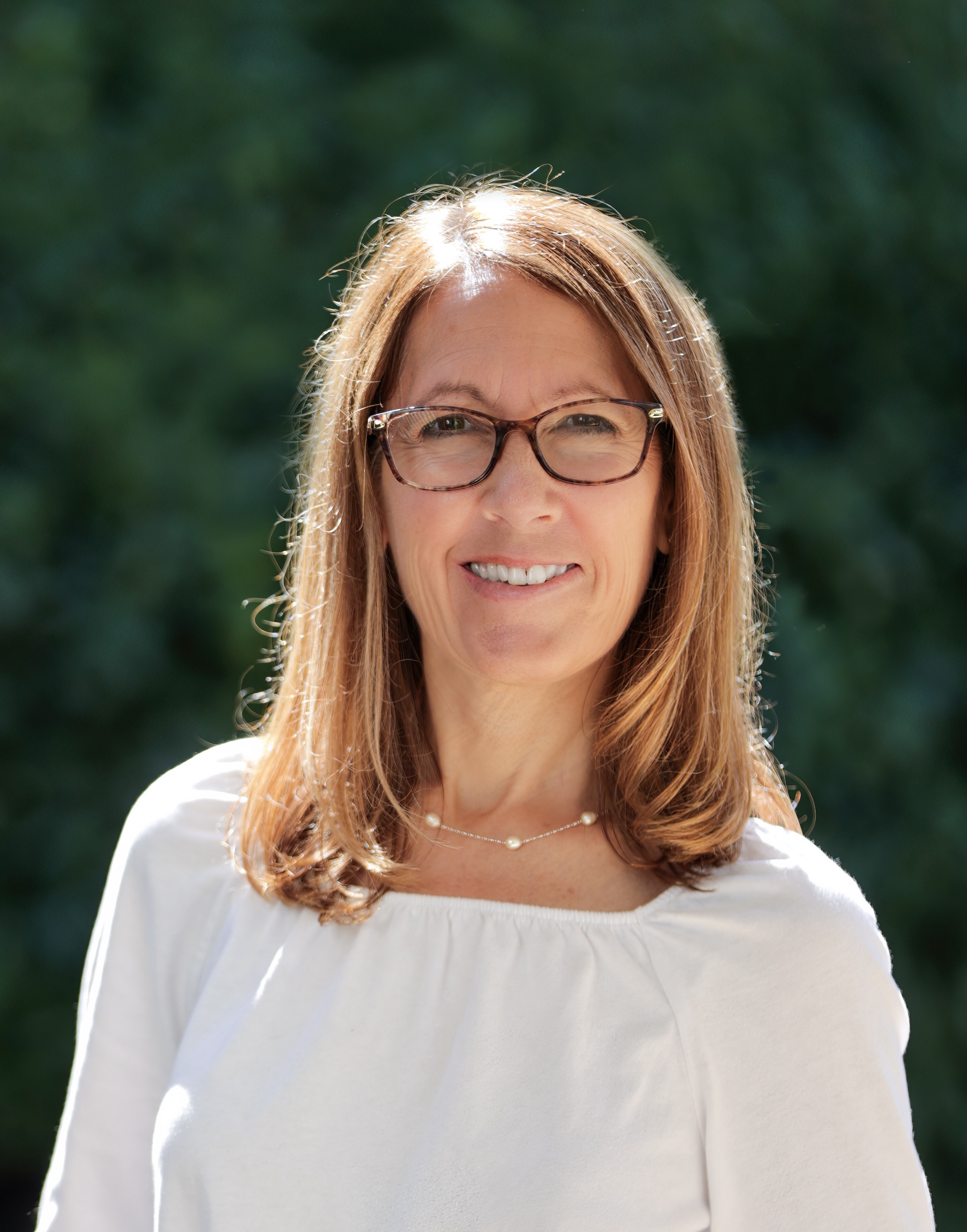
Melanie Hoffman is the Development Manager at NAMI Broward County. She graduated from Cornell University with a major in Communications and minor in Japanese and earned her Master’s in Film & TV and Japanese from NYU. She began her career in television production at NHK Japan Broadcasting in New York, then relocated to Florida to work in sports production for ESPN, CBS Sports, and Sunshine Network and later as a producer in the cruise industry, where she met her husband. While raising their two children she managed communications, special events, and alumni relations at a leading college prep school. Her work in the nonprofit world spans decades. Most notably when her family served as the National Ambassador Family for the March of Dimes, an experience that included meeting President Obama in the Oval Office. Melanie is thrilled to bring her passion for advocacy, storytelling, and community engagement to NAMI Broward County, where she is dedicated to advancing mental health awareness and support throughout the community.